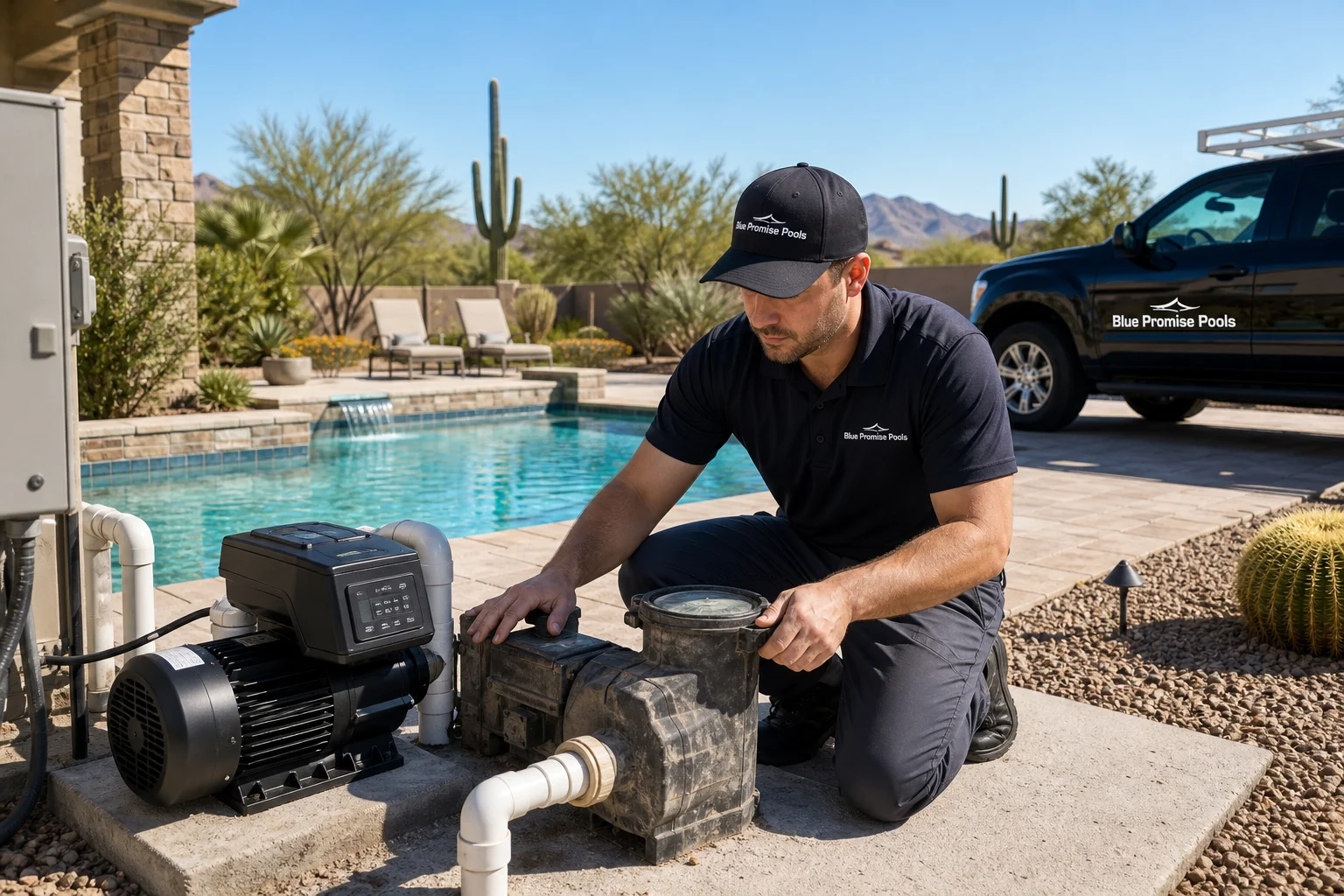
Choosing between single-speed vs. variable-speed pool pumps affects your energy bill, your pool's circulation, and how often you'll need repairs. Single-speed pumps run at one constant speed, while variable-speed models adjust output to match your pool's actual needs. Our team walks Scottsdale homeowners through this decision every week as part of our Services.
By Blue Promise Pools Team, Pool Construction Experts
How Single-Speed vs. Variable-Speed Pool Pumps Actually Work
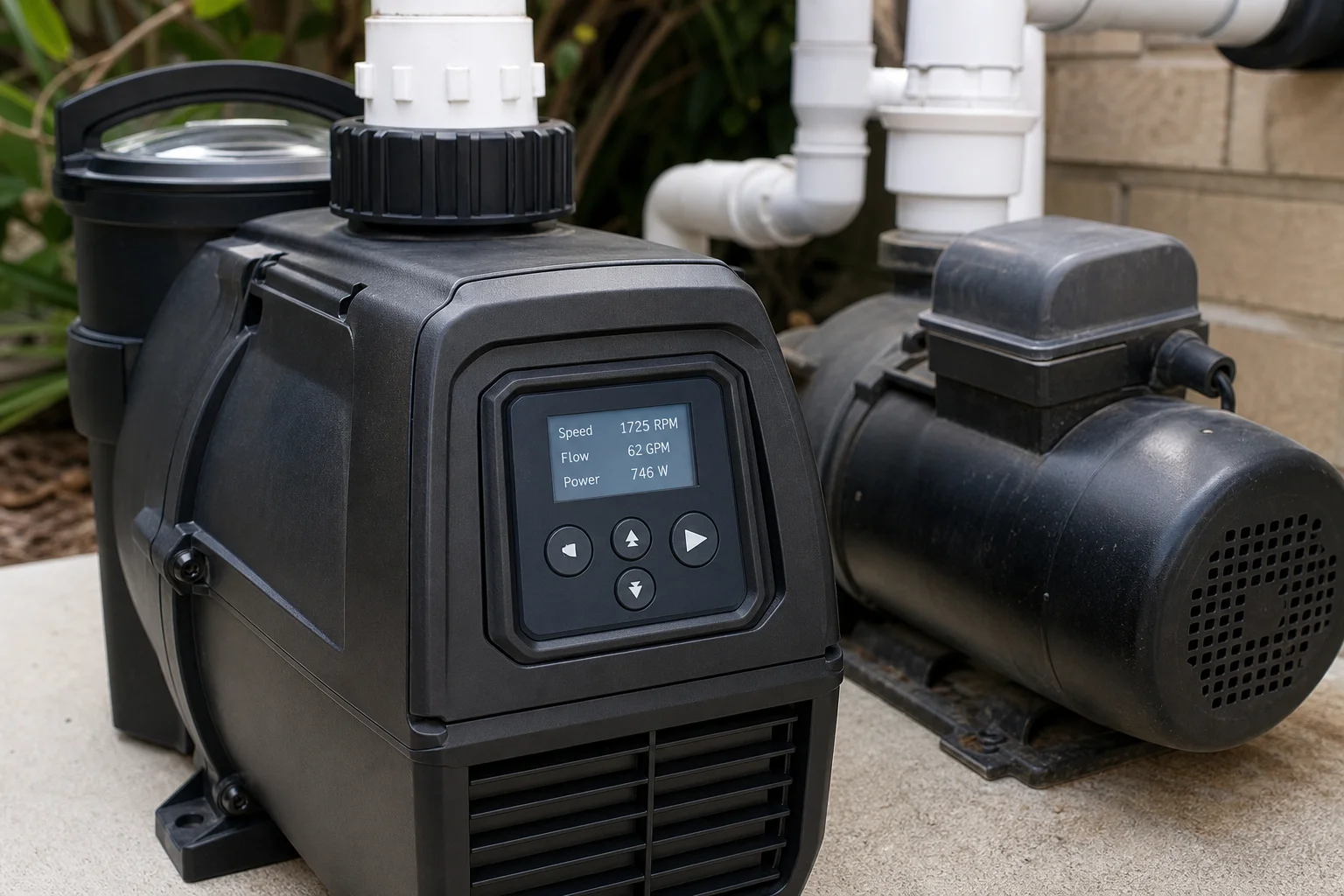
A single speed pool pump has one motor speed, typically around 3,450 RPM, and it runs at that same full power any time it is switched on. That is simple to understand, but it also means the pump is often moving far more water than your filter, heater, or plumbing actually needs for routine circulation. A variable speed pump uses a permanent magnet motor that can be programmed to run at different speeds throughout the day, from a slow overnight cleaning cycle up to a faster speed for running the pool cleaner or spa jets. The U.S. Department of Energy has noted that variable speed pool pumps use less electricity than single speed models because motor power draw scales with pump speed rather than staying fixed the entire time the pump runs. That mechanical difference is the reason for nearly every other comparison in this guide.
How a Single Speed Pump Operates
Single speed pumps are built around a basic induction motor with one fixed output. Flip the switch and the motor spins at full RPM until you shut it off, whether you are running a full filtration cycle or just topping off circulation on a mild day. There is no controller, no programmable schedule, and no way to throttle down. That simplicity keeps the equipment straightforward to troubleshoot, which some homeowners appreciate.
How a Variable Speed Pump Operates
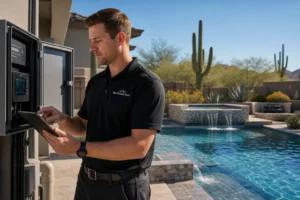
A variable speed pump pairs its motor with a small onboard computer that lets you set multiple speeds for different times of day or different tasks. Most models let you dial in a low speed for standard filtration, a medium speed for spa or water feature operation, and a higher speed for vacuuming or backwashing. Because the motor only draws the power needed for the selected speed, the pump can spend most of its runtime working far more efficiently than a single speed unit ever could.
Energy Savings and Utility Costs Compared
Arizona's summer heat means pool pumps often run eight hours a day or more to keep water circulating and chlorine distributed evenly across the pool. Single speed pumps push that same high flow rate for the entire run time, which adds up on your utility bill month after month. Variable speed pumps can handle most of that schedule at a lower, more efficient speed, then ramp up only when you need full flow for vacuuming or spa features. The U.S. Department of Energy and ENERGY STAR both point to variable speed pumps as one of the more reliable ways to cut pool related electricity use, since motor energy consumption drops sharply as speed decreases. Homeowners who switch from a single speed pump to a variable speed model typically notice a difference on their very next utility bill.
Why Runtime Matters in Arizona Heat
Summer heat also means longer daily runtimes, since warmer water encourages algae and bacteria growth that steady circulation helps keep under control. The longer a pump runs each day, the more the efficiency gap between single speed and variable speed pool pumps shows up in your monthly costs.
Noise, Lifespan, and Performance Differences
Single speed pumps tend to be louder because the motor never throttles down from full power. If your pool sits close to a patio, a primary bedroom, or a neighbor's yard, that constant hum can get old fast, especially during long summer run cycles. Variable speed pumps run quietly at low speeds and only get louder during short bursts of full power, which makes early morning or late night filtration much less noticeable.
Lifespan and Wear
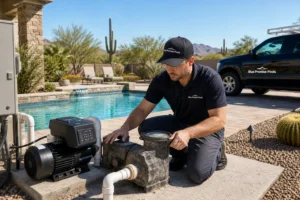
On lifespan, variable speed motors experience less wear because they are not constantly straining at full RPM, which can translate into fewer emergency repairs over the life of the equipment. Still, any pump, single speed or variable speed, eventually needs seals, capacitors, or bearings replaced. When that day comes, our Pool Repair technicians can diagnose whether a repair or a full pump swap makes more sense for your setup.
Which Pump Type Fits Your Scottsdale Pool
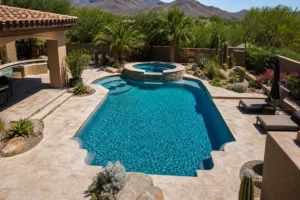
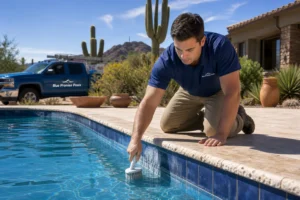
Not every pool needs the same setup. A smaller pool with basic circulation needs and a tight budget might do fine with a single speed pump, especially if it is paired with disciplined manual scheduling. Larger pools, pools with water features, spas, or automated systems tend to see the biggest benefits from a variable speed pump's programmable flexibility. If you are already on a regular maintenance plan with us, our technicians can review your actual runtime and flow needs before recommending either option, so you are not guessing at specs on your own. Homeowners weighing DIY maintenance against professional service face a similar tradeoff with pump choice, since a programmable variable speed pump takes more ongoing attention than a single speed pump that simply switches on and off. Our weekly pool service versus DIY breakdown looks at what year round care actually involves.
Installation, Repair, and Upgrade Considerations
Swapping a single speed pump for a variable speed model is one of the more common upgrades we handle, and it usually does not require re-plumbing your entire equipment pad. Most variable speed pumps are designed to fit the same footprint as older single speed units, though the control panel and wiring may need an update to support programmable speeds. If your current pump is failing unexpectedly, timing matters, especially if it quits during peak swim season. Our guide to emergency pool repair services covers what to expect when that happens. Circulation problems can also throw off your water balance, since chemicals need consistent flow to distribute evenly throughout the pool, so if you notice cloudy water alongside pump issues, it is worth having a technician check both together rather than treating them as separate problems.
Frequently Asked Questions
What's the main difference between single-speed vs. variable-speed pool pumps?
Single-speed vs. variable-speed pool pumps differ mainly in motor control. A single speed pump runs at one constant RPM the entire time it is on, while a variable speed pump can be programmed to run slower for routine filtration and faster only when you need extra flow, like when vacuuming or running water features. That flexibility is the source of most of the other differences between the two pump types.
Do variable speed pumps really save money on electricity?
Yes. Motor power draw on a variable speed pump scales with speed, so running at a lower speed for most of the day uses noticeably less electricity than a single speed pump running at full power the entire time. ENERGY STAR and the U.S. Department of Energy both list variable speed pumps among the more effective pool equipment upgrades for cutting energy use.
How long does a variable speed pump last compared to a single speed pump?
Variable speed pumps often outlast single speed pumps because their motors spend most of their runtime at lower, gentler speeds instead of constant full power. That reduced strain can mean fewer repairs over the years, though actual lifespan still depends on water chemistry, usage, and regular maintenance. Either pump type needs periodic seal and bearing checks to reach its full expected life.
Can I install a variable speed pump myself?
Some handy homeowners attempt it, but variable speed pumps involve programmable controllers and sometimes different electrical requirements than an older single speed pump, so a mistake can affect performance or void the warranty. We recommend having a licensed pool professional handle the installation, especially if you are upgrading from a single speed setup and need the wiring and pad reviewed first.
Is a single speed pump ever the better choice?
In some cases, yes. A small pool with simple circulation needs and a tight upfront budget can still function well on a single speed pump, particularly if it is on a disciplined run schedule. For most Scottsdale homeowners running a pump many hours a day through the summer, though, a variable speed pump usually pays for itself in lower energy use over time.
Get the Right Pump for Your Scottsdale Pool
Still weighing single speed against variable speed for your own backyard? Our team can look at your equipment pad, your runtime, and your goals, then recommend a pump that actually fits, not just the one that is easiest to sell. Contact us today to get started.