5 Signs Your Pool Pump Needs Repair in Scottsdale
Your pool pump is central to clean, safe water and efficient operation. When a pump fails, you can see poor water quality and rising energy bills. This article explains five clear signs your pump may need repair, how to troubleshoot common problems, when to call a professional, and simple preventive steps to extend pump life.
What Are the Key Signs Indicating Your Pool Pump Needs Repair?
Spotting pump problems early preserves water quality and lowers repair costs. Below are five common indicators that warrant attention:
- Unusual Noises: If your pool pump is making strange sounds, such as grinding or rattling, it could indicate internal issues that need immediate attention.
- Reduced Water Flow: A noticeable decrease in water circulation can signal that your pump is struggling to function properly, potentially due to clogs or mechanical failures.
- Failure to Prime: If your pump fails to prime, it may not be able to draw water effectively, which can lead to overheating and further damage.
- Leaking Water: Any signs of water pooling around the pump can indicate leaks, which may stem from worn seals or cracks in the pump housing.
- Increased Energy Bills: A sudden spike in your energy costs may suggest that your pump is working harder than it should, possibly due to inefficiencies or malfunctions.
Address these signs promptly to avoid larger repairs and keep your pool running efficiently.
How Does Unusual Noise Signal Pool Pump Motor Issues?
Noisy operation often points to motor or internal component problems. The following sound types usually indicate specific faults:
- Grinding: This may suggest that the motor’s bearings are worn out or that there is debris inside the pump.
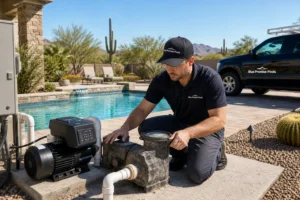
- Rattling: Loose components or foreign objects in the pump can cause rattling noises, indicating that the pump may need to be disassembled for inspection.
- Humming: A constant humming sound could mean that the motor is struggling to start, which may require professional evaluation.
Have noises inspected promptly to prevent escalation and avoid costly replacements.
What Does Reduced Water Circulation Reveal About Pump Performance?
Reduced circulation signals the pump is not moving water effectively. Common causes include:
- Clogs: Debris in the pump or filter can restrict water flow, leading to inadequate circulation.
- Worn Impeller: The impeller is responsible for moving water through the system. If it is damaged or worn, it may not be able to generate sufficient flow.
- Air Leaks: Air entering the system can disrupt the pump’s ability to circulate water effectively.
Inspect the skimmer, pump basket, and filter to find and clear the obstruction as a first step.
How to Troubleshoot Common Pool Pump Problems Effectively
Basic troubleshooting helps you identify simple faults before they worsen. Start with these checks:
- Listen for Noises: Pay attention to any unusual sounds coming from the pump, as they can indicate specific problems.
- Check the Filter: Ensure that the filter is clean and free of debris, as a clogged filter can impede water flow.
- Inspect for Leaks: Look for any signs of water pooling around the pump, which may indicate leaks that need to be addressed.
- Monitor Performance: Keep an eye on the pump’s performance, including its ability to maintain water levels and circulation.
These steps often resolve minor issues and indicate when professional diagnostics are needed.
What Steps Can You Take to Diagnose Electrical and Leak Issues?
Electrical faults and leaks require careful checks. Consider the following diagnostic steps:
- Electrical Checks: Inspect the power supply and connections to ensure that the pump is receiving adequate voltage. A multimeter can help you measure voltage levels.
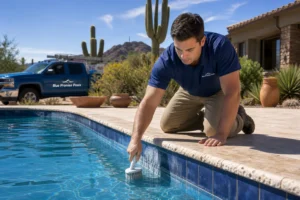
- Leak Detection Methods: Look for signs of leaks around the pump and plumbing connections. You can use food coloring to help identify the source of a leak by adding it to the water and observing where it flows.
- Professional Help: If you suspect electrical issues or cannot locate a leak, it may be best to consult a professional pool service technician for a thorough inspection.
Catching electrical or plumbing problems early prevents damage and reduces repair costs.
When Is Pool Pump Priming Failure a Cause for Concern?
Priming failure occurs when the pump cannot draw water. Without prime, the pump can overheat, fail prematurely, and require costly repairs.
Understanding priming matters: centrifugal pumps used in pools must have their waterways filled with liquid to operate correctly.
Centrifugal Pump Priming & Malfunction Signs
A centrifugal pump is primed when the pump’s waterways are filled with the liquid to be pumped, replacing air, gas, or vapor. Removing the air, gas, or vapor can be done manually or automatically depending on the equipment and controls. Unlike properly sealed positive displacement pumps—which can pump air and thus purge the suction line—centrifugal pumps generally cannot self-prime effectively. While centrifugal pumps can move air, the low density of air produces only a very small pressure when pumped, which limits priming capability.
Priming, 1998
- Overheating: Without water to cool the motor, it can overheat and sustain damage.
- Reduced Lifespan: Continuous priming failures can shorten the overall lifespan of the pump.
- Increased Repair Costs: Ignoring priming issues can lead to more extensive repairs down the line.
Investigate priming problems quickly to protect the motor and avoid larger failures.
When Should You Opt for Professional Pool Pump Repair Services in Scottsdale?
Call a professional when issues persist or involve safety and complex systems. Consider professional service if you observe:
- Persistent Issues: If problems persist despite your troubleshooting efforts, it may be time to call in an expert.
- Complex Repairs: Some repairs, such as electrical issues or major mechanical failures, require specialized knowledge and tools.
- Safety Concerns: If you suspect that the pump poses a safety risk, such as electrical hazards, it’s crucial to seek professional assistance immediately.
Professional technicians provide the tools and expertise needed to diagnose and fix complex faults safely.
What Are the Benefits of Choosing Expert Repair Over DIY?
| Benefit | Description | Impact Level |
|---|---|---|
| Expertise | Professionals have the training and experience to diagnose and repair issues accurately. | High |
| Time Savings | Hiring an expert can save you time and effort, allowing you to focus on enjoying your pool. | High |
| Preventative Checks | Professionals can identify potential issues before they become major problems, saving you money in the long run. | Medium |
Hiring a qualified service gives you reliable repairs, preventative inspections, and peace of mind that the job meets safety and performance standards.
How Does Blue Promise Pools Provide Trusted Local Repair Solutions?
Blue Promise Pools is a Scottsdale-based service provider offering maintenance, repair, resurfacing, and construction. Their local knowledge helps them deliver prompt, tailored solutions. The team handles routine upkeep and complex repairs, focused on reliable results and customer satisfaction.
What Preventative Pool Pump Maintenance Tips Can Extend Pump Life?
Regular care reduces breakdowns and extends pump lifespan. Key preventive measures include:
- Regular Cleaning: Keep the pump and filter clean to prevent clogs and ensure optimal performance.
- Routine Inspections: Schedule regular inspections to identify potential issues before they escalate.
- Chemical Balancing: Maintain proper chemical levels in your pool to prevent corrosion and damage to the pump.
Consistent maintenance lowers repair frequency and preserves pump efficiency.
How Does Regular Maintenance Prevent Common Pump Failures?
Scheduled upkeep helps you catch wear and faults early. A maintenance routine enables you to:
- Identify Issues Early: Routine checks allow you to catch problems before they become severe.
- Ensure Optimal Performance: Regular cleaning and inspections help maintain the pump’s efficiency and effectiveness.
- Extend Lifespan: Consistent care can significantly prolong the life of your pool pump, saving you money on replacements.
Proactive maintenance keeps the pump reliable and reduces unexpected downtime.
Which Energy-Efficient Practices Reduce Repair Needs?
Energy-efficient habits lower wear and can reduce repair needs. Consider these strategies:
- Upgrading Equipment: Invest in energy-efficient pumps and filters that consume less power and require fewer repairs.
- Regular Servicing: Schedule routine servicing to keep your equipment in optimal condition and prevent breakdowns.
- Proactive Seasonal Maintenance: Prepare your pool for seasonal changes to avoid damage and ensure efficient operation.
These measures reduce operating stress on the system and help control long-term maintenance costs.
How Much Does Pool Pump Repair Cost in Scottsdale and When Is Replacement Advisable?
Repair costs depend on the fault. Minor repairs typically range from $100 to $300; major repairs can exceed $500. Consider replacement when:
- The pump is over 10 years old: Older pumps may be less efficient and more prone to failure.
- Repair costs exceed 50% of replacement costs: If repairs are too costly, investing in a new pump may be more economical.
- Frequent breakdowns occur: If your pump requires constant repairs, it may be time to consider a replacement.
Compare repair estimates to replacement costs to choose the most cost-effective option.
What Factors Influence Repair Versus Replacement Decisions?
Key factors in the repair-versus-replace decision include equipment age, repair cost, and ongoing performance issues.
- Age and Condition of Equipment: Older pumps may be less reliable and more costly to repair.
- Cost Comparison: Weighing the costs of repairs against the price of a new pump can help you determine the best course of action.
- Performance Issues: If the pump consistently underperforms, replacement may be the more viable option.
Assess these elements together to determine the solution that meets your budget and performance needs.
How Can You Budget for Pool Pump Maintenance and Repairs?
Plan for routine and unexpected expenses to avoid surprises. Use these budgeting strategies:
- Regular Inspections: Allocate funds for routine inspections to catch issues early.
- Preventive Maintenance: Set aside a budget for regular maintenance tasks, such as cleaning and servicing.
- Emergency Fund: Consider creating an emergency fund for unexpected repairs to avoid financial strain.
Budgeting ahead ensures prompt repairs and steady performance, keeping your pool safe and enjoyable.